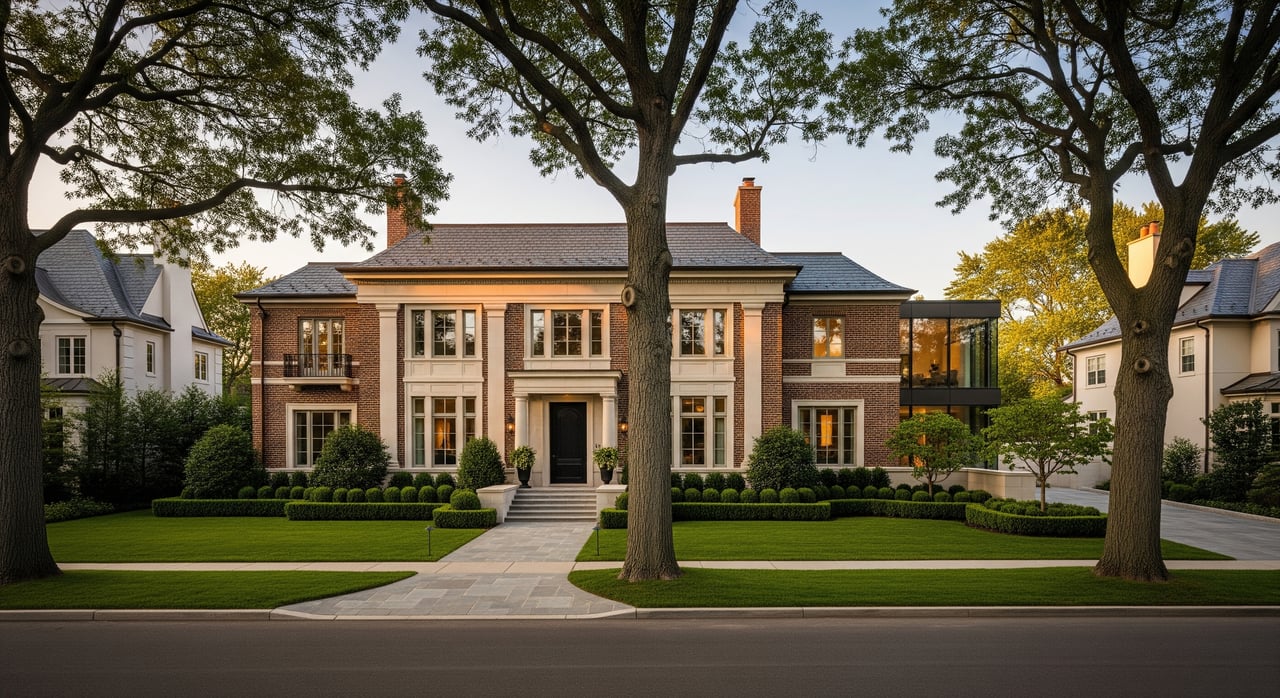
What does an average Tuesday look like when you trade the city condo for a leafy block in the suburbs? If you’re weighing a move to Chicagoland’s luxury communities, you’re probably balancing commute time, school options, and lifestyle perks with real costs. This guide walks you through the rhythm of daily life so you can picture how it feels, not just how it looks on paper. Let’s dive in.
What “luxury suburbs” mean here
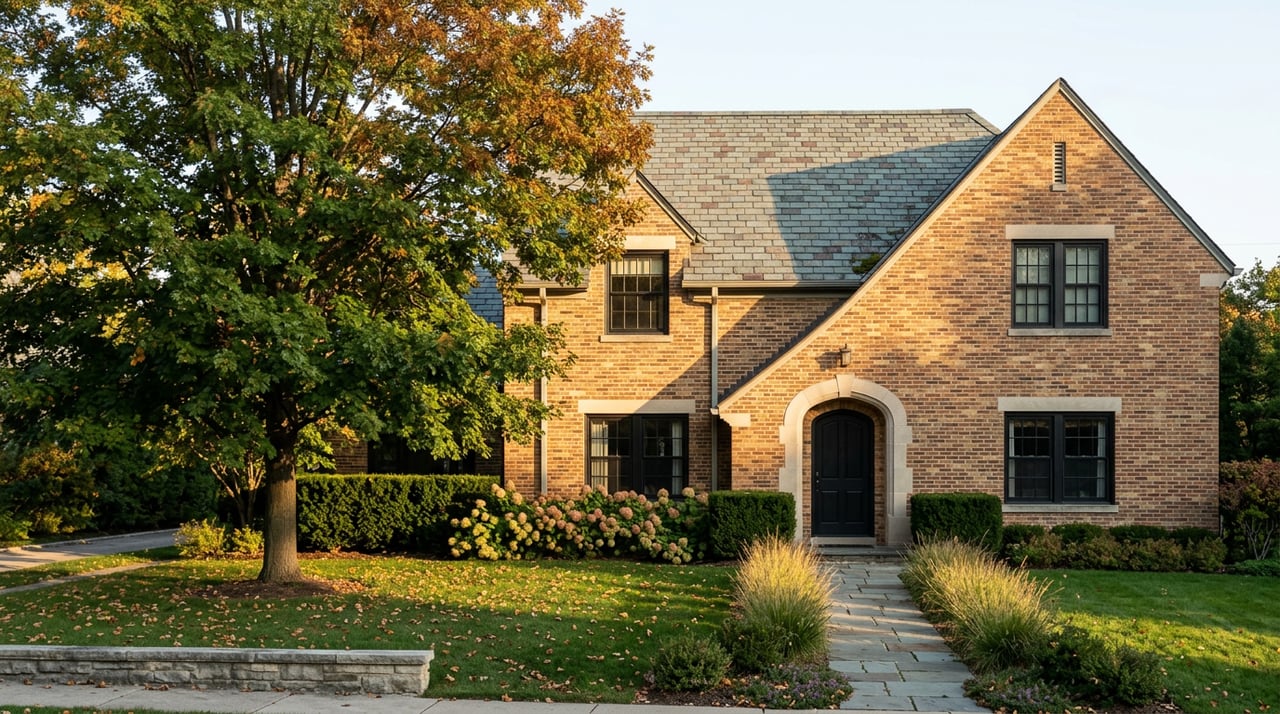
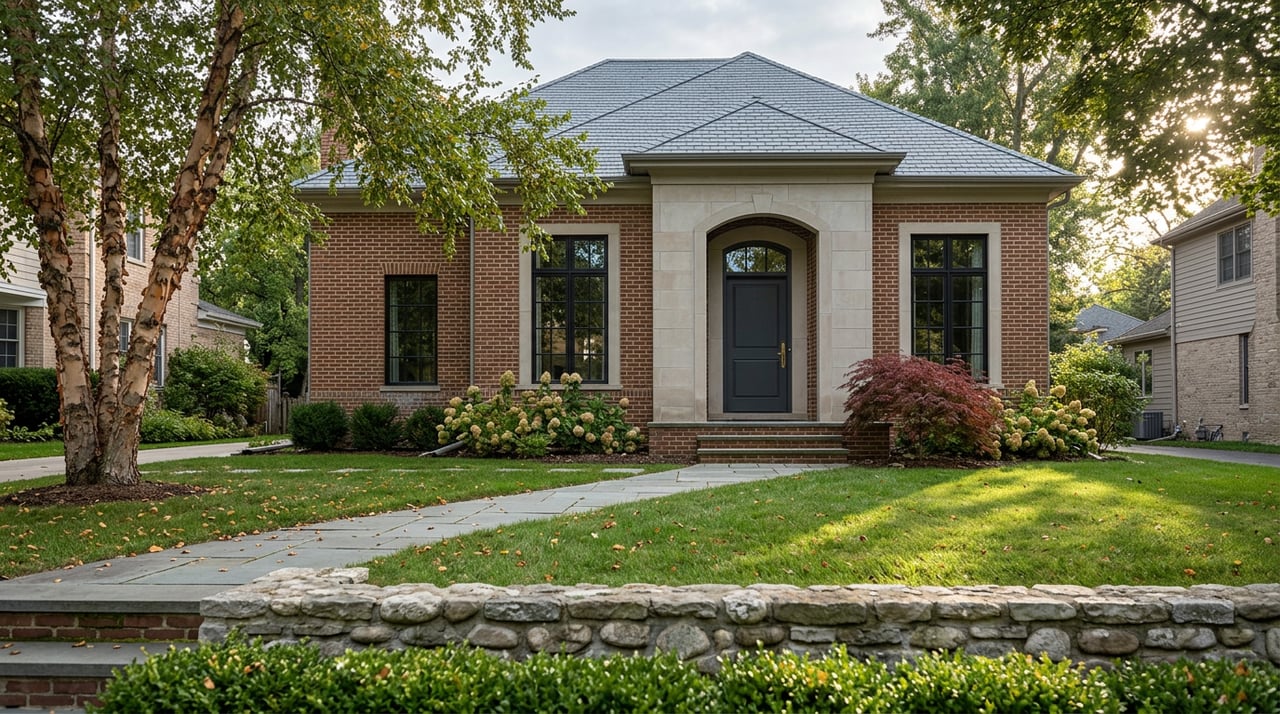
Luxury suburbs around Chicago typically blend spacious homes, mature trees, and active town centers with strong public services and nearby private amenities. Think North Shore communities like Winnetka and Lake Forest, western hubs like Hinsdale and Oak Brook, and larger communities such as Naperville and parts of the Barrington area. You’ll find historic homes, mid-century estates, and newer custom builds.
Price points vary by location and lot size. The luxury tier often starts well above the metro median and climbs into the multi-million range in certain lakefront or legacy neighborhoods. Because these markets are driven by lifestyle and schools, not quick flips, turnover tends to be more measured. You’ll see moves tied to life stages and long-term plans.
Illinois property taxes are an important budget line, especially at higher home values. It’s smart to model your total carrying costs early. For context, the Tax Foundation’s analysis of Illinois property taxes notes that statewide rates are among the nation’s higher brackets.
Commute and weekday rhythm
For many buyers, the weekday routine is a top decision driver. Daily patterns often mix a couple of in-office days with work-from-home flexibility, which changes the feel of a typical week.
Train access to the Loop
Metra commuter rail is the backbone for many luxury suburbs. North Shore towns sit on the Union Pacific North line, while Naperville and other western communities ride the BNSF line. Express trains and stations centered near walkable downtowns make it realistic to keep city access without daily driving. Explore schedules and line maps on the Metra site.
Expect roughly 30 to 50 minutes into the Loop from several North Shore and closer-in western stops on express runs, depending on the train and time of day. Broader commute patterns are tracked by the American Community Survey, which offers a helpful high-level view of regional travel habits.
Driving and tollways
If you drive, major routes like I-94, I-294, I-88, I-290, and I-355 connect most suburbs to both downtown and suburban business districts. Travel times swing with time of day and weather. Many residents combine train commutes with driving for local client meetings or late pick-ups.
Work-from-home flow
Hybrid schedules mean town centers hum during the day. You’ll notice busy cafés, daytime fitness classes, library programs, and park activity. Proximity to a train station can be a simple way to keep commute times in check when office days pop up.
Schools and family support
For many families, school districts guide the short list of target suburbs. Several well-known districts appear in published rankings and are often cited for strong outcomes. Examples include New Trier Township on the North Shore, Adlai E. Stevenson in Lake County, Hinsdale Township, Lake Forest, and Naperville-area districts.
To evaluate fit, look at objective data like test scores, graduation rates, and college readiness. The Illinois Report Card provides district and school metrics statewide. You can also review national listings from U.S. News & World Report to get a broad comparison across high schools. Because boundaries and enrollment can change, confirm details directly with the district before you buy.
Childcare options are typically robust, with private preschools, Montessori programs, and early learning centers. In high-demand neighborhoods, some programs may maintain waitlists. Healthcare access is strong as well, with major systems operating hospitals and specialty clinics throughout the suburbs.
Dining, shopping, and culture
Lively downtowns
Many suburbs offer walkable downtowns with cafés, chef-driven dining, wine bars, and long-loved local spots. Downtown Naperville, downtown Highland Park, and the Winnetka–Glencoe corridor are common examples. Upscale retail mixes with independent boutiques, and premium grocers are easy to find.
Parks, trails, and lakefront
Outdoor life is a major perk. North Shore communities enjoy Lake Michigan beaches, sailing clubs, and lakefront parks. For year-round nature and family programming, explore the Chicago Botanic Garden in Glencoe and the Morton Arboretum in Lisle. The Cook County Forest Preserves and neighboring county preserve systems add miles of trails for biking, hiking, birding, and winter sports.
Culture and events
Summer brings festivals, farmers markets, and outdoor concerts. The Ravinia Festival in Highland Park is a classic picnic-and-concert night for families and friends. Suburban arts centers and community theaters keep calendars full the rest of the year.
Budget and practical planning
It pays to compare total cost of ownership across suburbs. In addition to principal and interest, budget for:
- Property taxes, which scale with assessed value. Refer again to the Tax Foundation’s Illinois tax context as a starting point.
- Insurance, which can vary with proximity to the lake and specifics of the home.
- Maintenance for larger lots, older construction, pools, and specialty landscaping.
- Association fees, if you consider a townhome or a managed community.
On the resale side, luxury properties often target a smaller buyer pool. Strategic pricing and presentation matter. If you plan to sell later, staging and professional marketing can help you reach out-of-market prospects who want the lifestyle your home offers.
Finding your fit by area
Every suburb has a distinct rhythm. Here is a high-level way to think about the mix, so you can match lifestyle to location:
- North Shore lakefront: Mature neighborhoods, beach access, and active community programming near train-served downtowns. Expect strong park districts and easy access to cultural hubs like Ravinia and the Botanic Garden.
- Western suburbs and inner-west: Historic homes and newer builds on larger lots, close to major employment centers like Oak Brook. Commute options include expressways and train lines.
- Naperville–Lisle corridor: A lively downtown atmosphere anchored by the Riverwalk, robust park programming, and Metra access on the BNSF line.
- Barrington area and northern exurbs: Larger-acreage properties and a more rural feel in places, balanced with commuter rail options and regional preserves.
Use this as a conversation starter, then drill into commute time, school boundary details, and the specific streets or enclaves that match your priorities.
A day-in-the-life snapshots
- Hybrid Tuesday in the North Shore: Train into the Loop for two meetings, back by 6 p.m. for a quick beach walk and dinner downtown. Kids bike to the library program after school.
- Work-from-home Thursday in the western suburbs: Early run along a forest preserve trail, coffee at a local café between Zooms, and a late lunch meeting in Oak Brook. Evening soccer practice at the park district.
- Saturday in Naperville: Morning errands downtown, afternoon kayaking along the river corridor, and a family dinner near the Riverwalk. Summer night at an outdoor concert.
How we help you move with confidence
If you’re choosing between an in-town lifestyle and a suburban upgrade, you deserve a guide who blends lifestyle matchmaking with precise market insight. Our approach is concierge-level and personal. We start with how you want to live, then align commute realities, school considerations, and neighborhood character to your goals.
For sellers, we pair high-production visuals and video-forward storytelling with wide distribution through a global luxury network to capture the right buyers, including out-of-market prospects. For buyers, we deliver discreet, efficient representation and multistate expertise across Illinois, Indiana, and Michigan if a second home or lakefront escape is on your horizon.
Ready to see how your everyday life could look in Chicagoland’s luxury suburbs? Reach out to Heidi Picard for a curated plan and a seamless next step.
FAQs
What are typical Metra commute times from luxury suburbs?
- Many North Shore and closer-in western suburbs are roughly 30 to 50 minutes to the Loop on express trains. Check current schedules on the Metra site.
How do Illinois property taxes affect my budget?
- Illinois ranks among higher-tax states, and the dollar amount rises with home value. Review the Tax Foundation’s Illinois property tax context and compare municipality rates before you buy.
Are suburban downtowns walkable in Chicagoland’s luxury areas?
- Several are very walkable, especially near train stations with clustered shops and dining. More rural or estate-style areas are typically car dependent.
How can I compare public school performance across suburbs?
- Use objective data from the Illinois Report Card and supplement with broad comparisons from U.S. News & World Report. Confirm boundaries directly with each district.
What outdoor and cultural amenities are close by?
- Popular options include the Chicago Botanic Garden, Morton Arboretum, Cook County Forest Preserves, and summer concerts at Ravinia Festival.