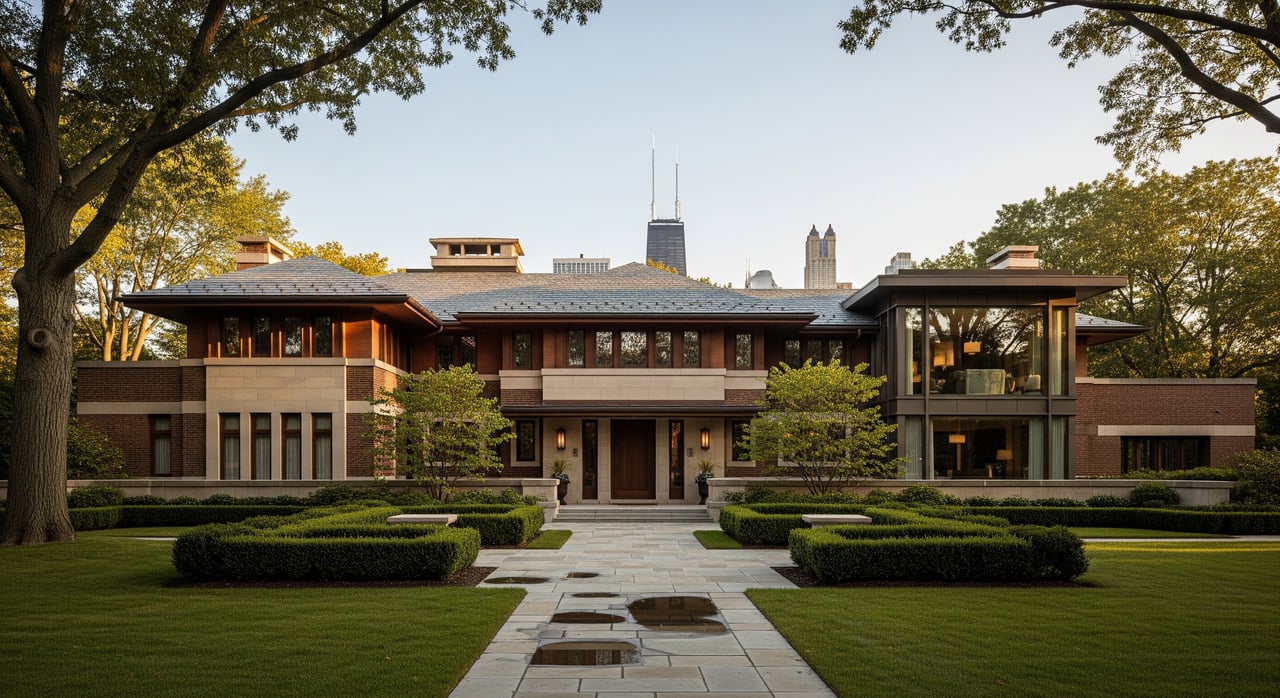
You have options in Chicagoland that range from limestone mansions to glass-and-steel showpieces to century-old Prairie gems. If you love design, the challenge is not finding a beautiful home. It is choosing a style that fits how you want to live, from floor plan flow to neighborhood context. In this guide, you will compare the defining features of the area’s most coveted luxury styles, learn where they cluster, and understand the tradeoffs that matter for comfort, maintenance, and long-term value. Let’s dive in.
How Chicagoland defines “luxury”
“Luxury” is local. It typically refers to the top slice of the market in a given area rather than a single national price tag. The National Association of Realtors explains that market segments are defined locally, which matters when you compare a North Shore estate to a Near North Side townhouse in national research.
Beyond price, buyers weigh practical factors: landmark rules, lot size and setbacks, availability of outdoor space, garage and parking options, and the complexity of restoring a historic property versus building new. If you plan exterior changes, review guidance from the City of Chicago Landmarks Program or village preservation offices such as Oak Park’s resources.
Prairie style
Defining look
Prairie homes favor low-pitched roofs, wide overhanging eaves, strong horizontal lines, bands of casement windows, and natural materials like brick and stucco. The composition often feels grounded in the landscape.
Inside experience
Expect flowing rooms with a central hearth, built-in cabinetry and seating, and abundant art glass that filters light. Wood trim runs in horizontal bands to reinforce the calm, linear look.
Where you find it
Oak Park has the highest concentration of Prairie homes, with additional examples in River Forest and select North Shore and West Side pockets. For background on the style’s roots, explore the Frank Lloyd Wright Foundation and the Chicago Architecture Center.
Buyer notes
Many luxury-scale Prairie homes include sensitive additions and mechanical upgrades. Pay close attention to flat or low-slope roofs, original windows, and art glass during inspection.
Georgian and Colonial Revival
Defining look
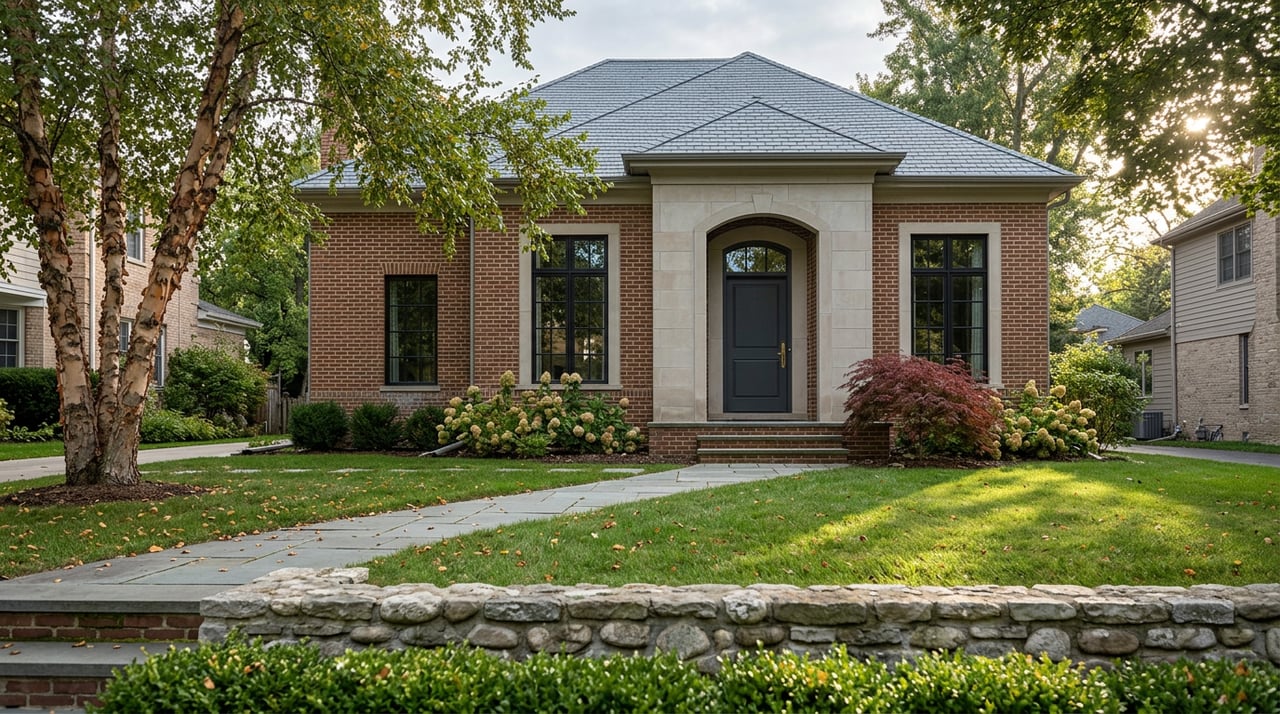
This family of styles features symmetrical facades, paneled front doors with classical details, multi-pane double-hung windows, and brick exteriors. Scale ranges from stately townhouses to large suburban estates.
Inside experience
You will see formal entry halls, central staircases, separate dining and living rooms, high ceilings, and refined millwork. Luxury remodels often add large butler’s pantries and modernized kitchens while preserving classic symmetry.
Where you find it
Look in the Gold Coast and Near North Side for urban iterations, and in Kenilworth, Winnetka, Glencoe, Evanston, and Lake Forest for grand suburban examples.
Buyer notes
These homes adapt well to contemporary kitchens and spa baths while maintaining a timeless exterior. Elevators are common in multi-level estates.
Tudor Revival and English Cottage
Defining look
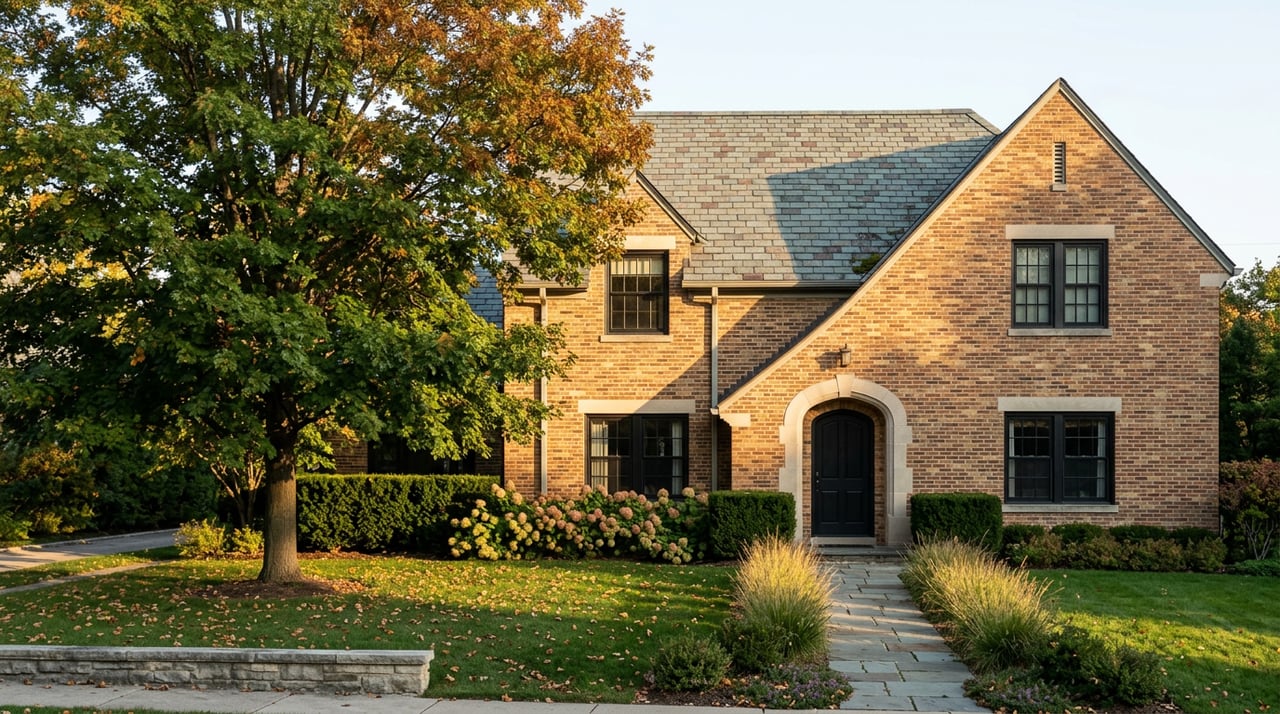
Steep gabled roofs, decorative half-timbering, tall narrow windows that may have leaded glass, and prominent chimneys create a storybook profile. Exteriors often mix brick and stone.
Inside experience
Original plans lean cozy and compartmentalized, with wood-paneled libraries and fireplaces. Many luxury renovations open the kitchen and expand family spaces while keeping rich beams and millwork.
Where you find it
You will find high-end Tudor homes across the North Shore, including Winnetka and Glencoe, as well as River Forest and select North Side enclaves.
Buyer notes
Expect careful coordination if you plan an addition. Historic detailing is worth preserving and can add restoration complexity.
Beaux-Arts and Neoclassical
Defining look
Gilded Age mansions stand out with monumental scale, stone cladding, classical columns and pilasters, symmetrical facades, and grand porticos.
Inside experience
Large formal rooms, intricate plasterwork, and dramatic staircases set the tone. Today’s luxury updates may add modern kitchens, multiple primary suites, elevators, and enhanced service or guest quarters.
Where you find it
Concentrations exist in the Gold Coast and along historic stretches near Lake Shore Drive, with some estates on the North Shore.
Buyer notes
Restoration budgets can be significant. Many properties fall within local landmark districts that guide exterior changes. Start with the Chicago Landmarks Program if you plan any exterior work.
Modern, International, and contemporary
Defining look
Clean geometry, flat or low-slope roofs, large expanses of glass, and minimal ornament define modern luxury in the city and suburbs. Materials often mix steel, concrete, glass, and warm wood accents.
Inside experience
Open plans with great rooms, floor-to-ceiling glazing, and integrated smart-home systems are common. You will often see home theaters, fitness rooms, and high-performance HVAC with air filtration.
Where you find it
Look in Lincoln Park, Bucktown and Wicker Park, River North, and the South Loop for urban options. Newer contemporary estates also appear on select North Shore lots and suburban infill sites.
Buyer notes
If natural light and energy performance top your list, modern builds deliver. Review glazing, insulation, and mechanical specs closely.
Transitional homes
Defining look
Transitional design blends classic proportions with simplified trim and contemporary materials. Exteriors fit traditional streetscapes, while interiors feel fresh and open.
Inside experience
Expect open kitchens with timeless cabinetry and stone, a neutral palette, and custom millwork that adds warmth. The approach delivers modern living within familiar forms.
Where you find it
You will see transitional touches in high-end remodels across historic neighborhoods and in new builds designed to harmonize with established blocks.
Buyer notes
This is a popular path if you want contemporary function without departing from a neighborhood’s traditional character.
What luxury buyers expect inside
While every property is unique, luxury homes across Chicagoland commonly include:
- Kitchens with professional-grade appliances, large islands, walk-in pantries, and secondary prep or butler’s areas.
- Primary suites with spa-like baths, dual walk-in closets, and sometimes a private terrace or sitting room.
- Entertainment and wellness spaces such as a theater, fitness room, wine storage, and sauna or steam.
- Integrated technology for lighting, audio, security, and efficient climate control.
- Elevators in multi-level homes, plus well-designed mudrooms and conditioned storage.
- Garages for multiple vehicles and EV-ready power.
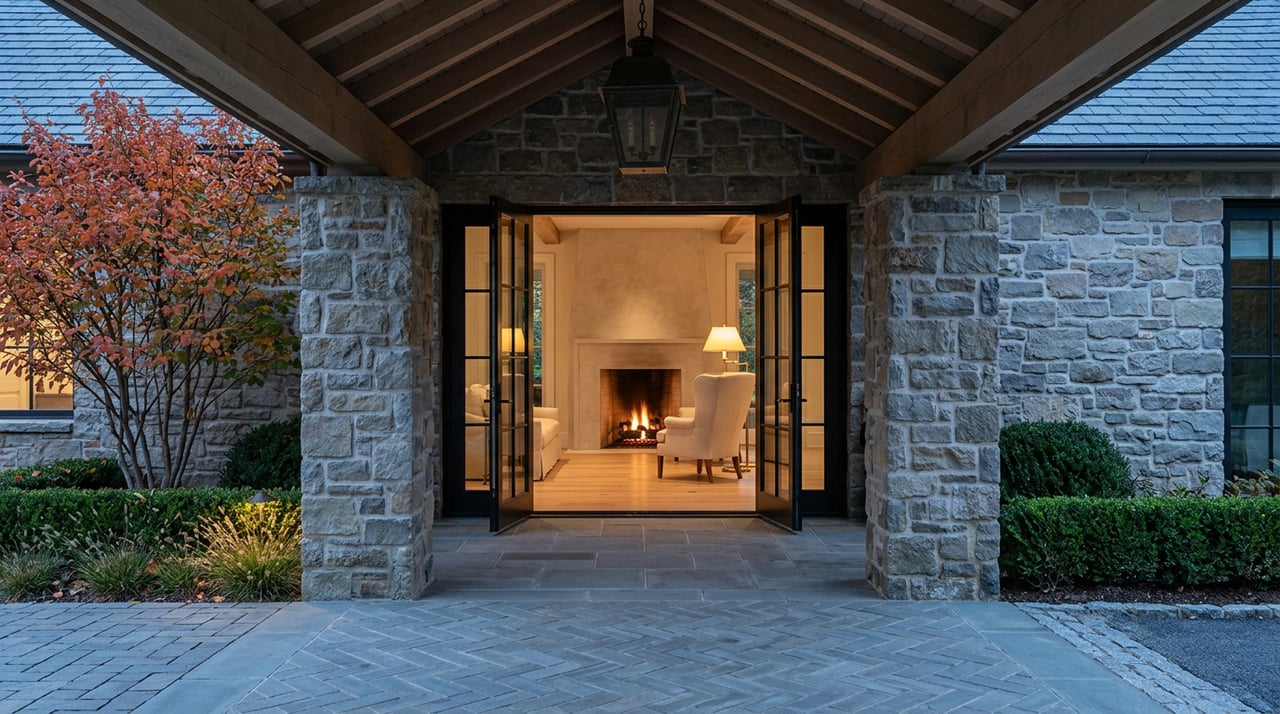
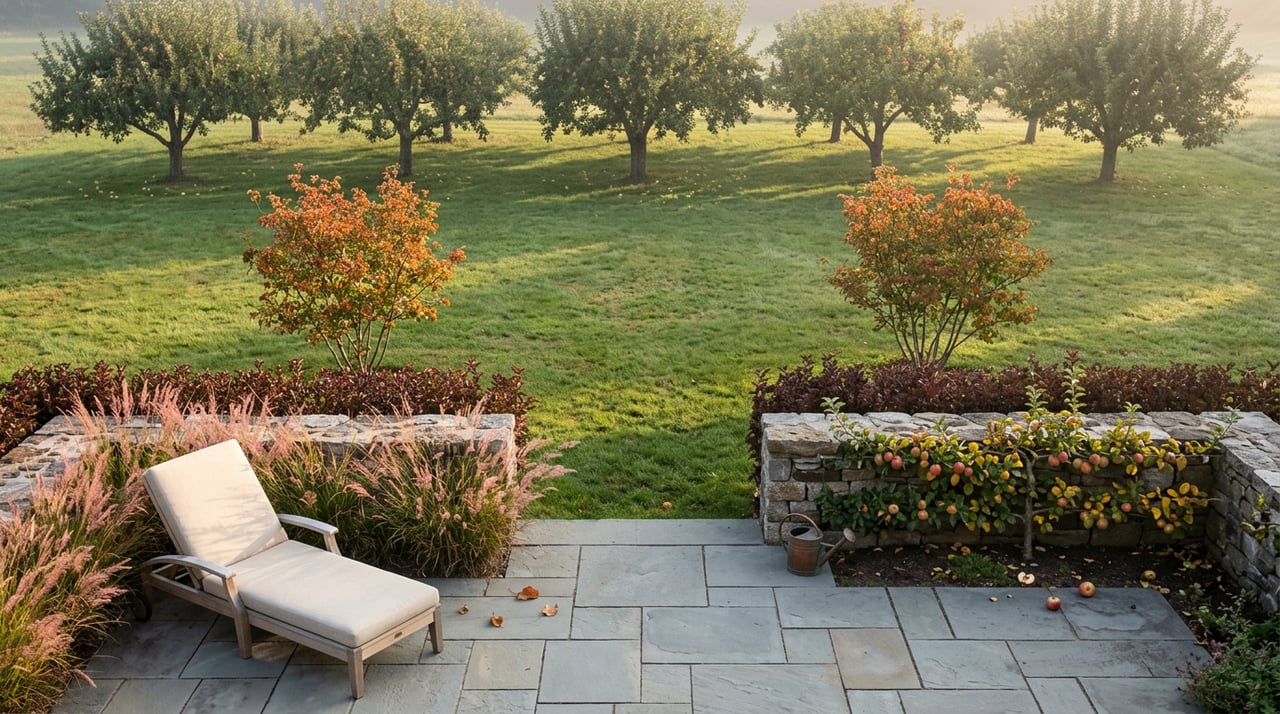
- Outdoor living with landscaped terraces, covered seating, outdoor kitchens, and fireplaces.
For architectural context and style guides, visit the Chicago Architecture Center.
Where styles cluster and what to trade off
Near North, Gold Coast, Lincoln Park, Old Town
- Styles: Beaux-Arts mansions, Georgian Revival townhouses, and modern townhomes or lofts.
- Tradeoffs: Walkable access to culture and dining. Smaller lots and vertical living. Consider parking and property taxes.
Oak Park and River Forest
- Styles: Prairie and early 20th-century homes, plus Tudor and Colonial Revival.
- Tradeoffs: Cohesive historic character and preservation guidelines. Many properties benefit from thoughtful mechanical upgrades.
North Shore suburbs such as Kenilworth, Winnetka, Glencoe, Lake Forest
- Styles: Large Georgian and Tudor estates, some Mediterranean influences, and newer contemporary builds on sizable lots.
- Tradeoffs: Larger lots and privacy. Village-level review or preservation processes may guide exterior changes.
West suburban enclaves including Hinsdale and Elmhurst
- Styles: Tudor, Colonial, English Manor, with modern renovations.
- Tradeoffs: Larger suburban lots and a blend of historic fabric with new construction.
River North, South Loop, West Loop
- Styles: Contemporary lofts, new-construction townhouses, and bespoke modern homes.
- Tradeoffs: Urban lifestyle, condominium ownership patterns in many buildings, and full-service amenities.
Renovation, preservation, and performance
If you plan to renovate a historic home, factor in specialized inspections and potential design review. Exterior alterations in landmark districts often require approval. Start with the Chicago Landmarks Program and check village-level guidance such as Oak Park’s preservation resources.
Maintenance and inspection tips:
- For masonry buildings, review tuckpointing needs, foundation conditions, and water intrusion.
- For Prairie and early 20th-century homes, evaluate low-slope roofs and the condition of original windows and art glass.
- For large historic mansions, plan for electrical, plumbing, and heating updates to meet modern standards.
Energy and systems upgrades often include high-efficiency HVAC, improved insulation, upgraded electrical service for EV charging, and whole-home automation. These installations are common in luxury restorations and modern builds alike.
How to choose the right style for your lifestyle
Use this quick framework to focus your search:
- Start with how you live day to day. If you host often and want open sightlines, modern or transitional plans may fit better than formal layouts.
- Weigh neighborhood character and lot needs. Decide whether you want an urban townhouse, a historic district block, or a large-lot suburb.
- Consider renovation appetite. If you love original millwork, be ready for preservation-grade work. If you want plug-and-play, new construction may be ideal.
- Check the rules early. Landmark or village design review can shape exterior changes and timelines.
- Prioritize natural light, mechanical performance, and smart-home features. These drive comfort and long-term value.
Ready to tour the styles you love?
If a Prairie masterpiece in Oak Park, a Georgian in Winnetka, or a glassy Lincoln Park showpiece is calling your name, you deserve a guided, low-stress search. With concierge-level matchmaking, multistate reach, and polished marketing that attracts both local and out-of-market buyers, you get an advisor who understands both lifestyle and design. Let’s refine your vision and open the right doors. Connect with Heidi Picard to get a free home valuation and consultation.
FAQs
What makes a Prairie home different from a Georgian?
- Prairie homes emphasize horizontal flow, built-ins, and connection to the landscape, while Georgian homes center on formal symmetry with defined rooms and grand millwork.
How do landmark rules affect renovations in Chicago?
- In many cases, regulations focus on exterior changes such as windows, facades, and additions. Always confirm your property’s status with the Chicago Landmarks Program and the local village.
Can I add modern amenities to a historic home without losing character?
- Yes. Many luxury restorations integrate modern kitchens, HVAC, and smart-home systems while preserving significant millwork, plaster, and windows, though planning and costs are higher.
Where in Chicagoland will I find the most modern new builds?
- You will commonly see modern custom homes in Lincoln Park, River North, and the West Loop, with contemporary estates on select North Shore lots.
What should I prioritize when choosing a neighborhood for a luxury home?
- Consider architectural character, lot size and setbacks, tree canopy and outdoor space, proximity to services and transit, and any local design guidelines or review boards.
Where can I learn more about Chicago’s architectural styles?
- Explore public resources from the Chicago Architecture Center and the Frank Lloyd Wright Foundation for style overviews and history.