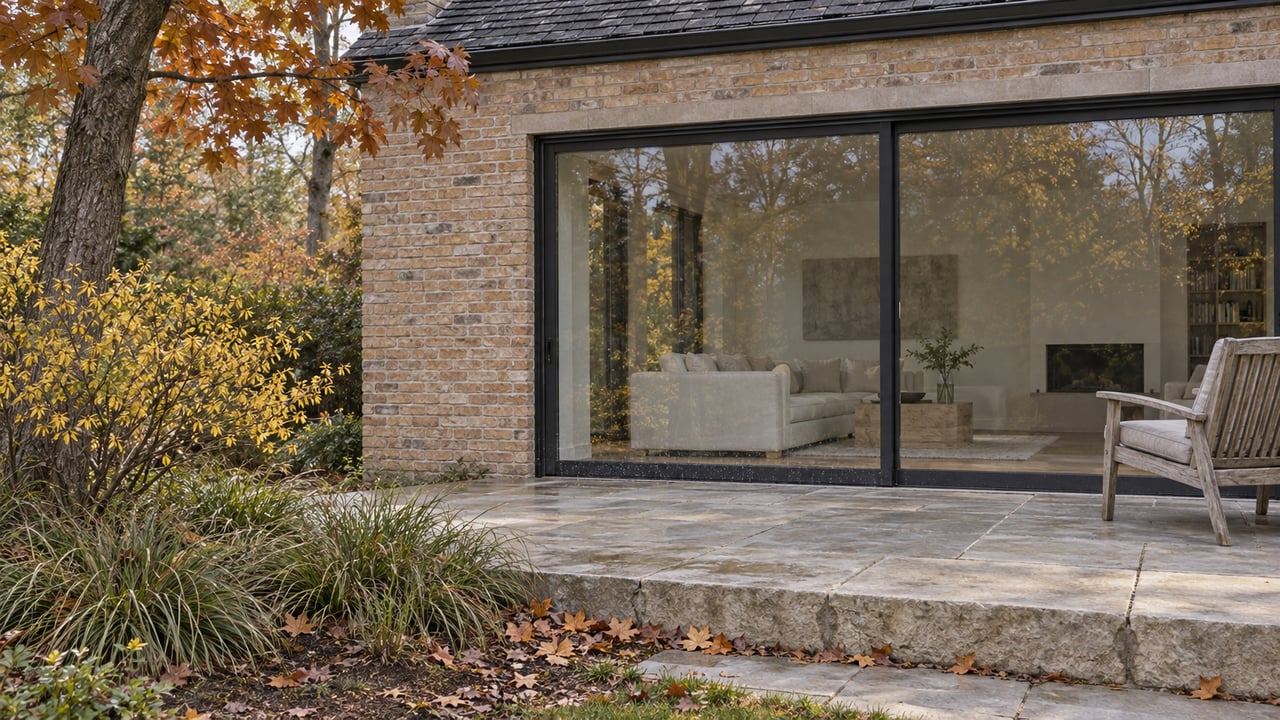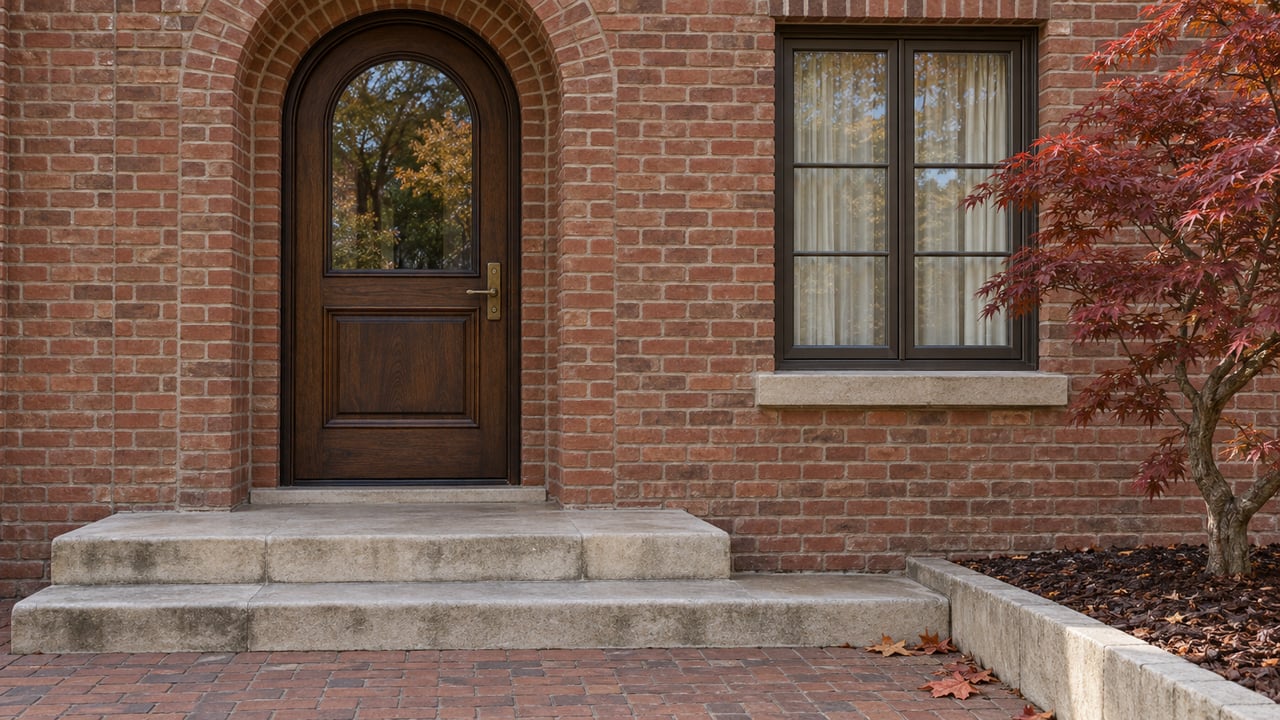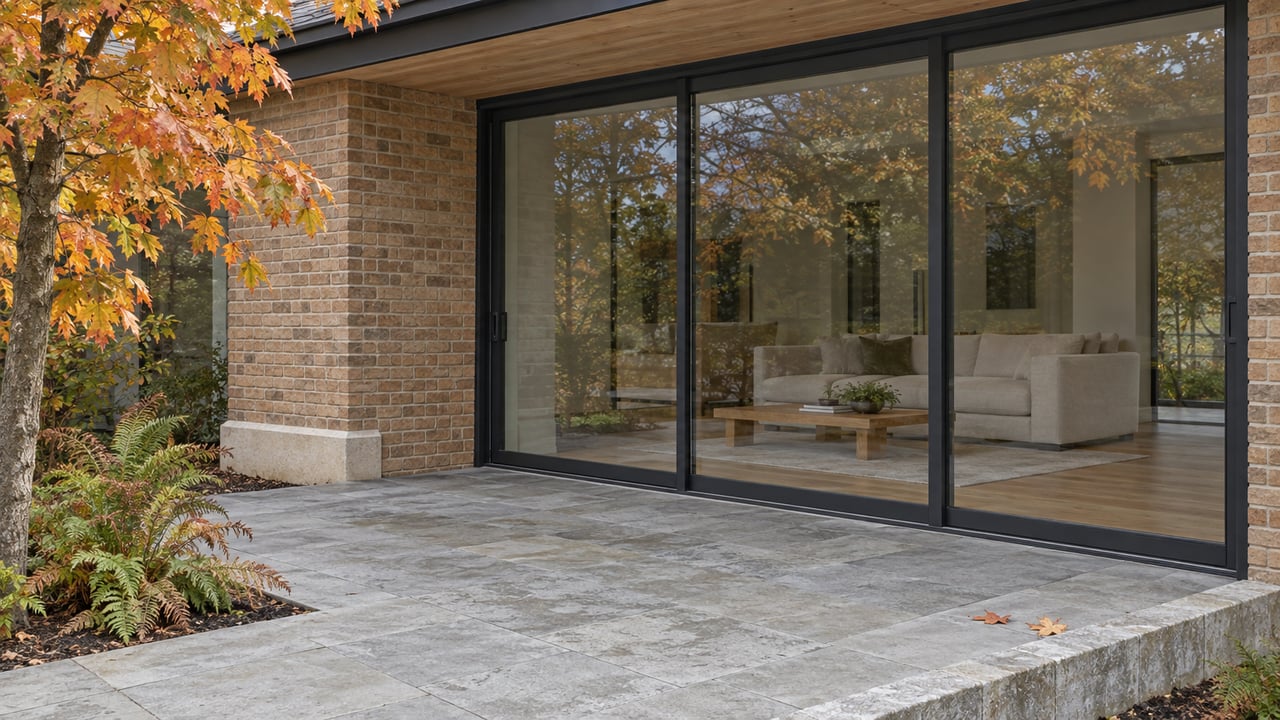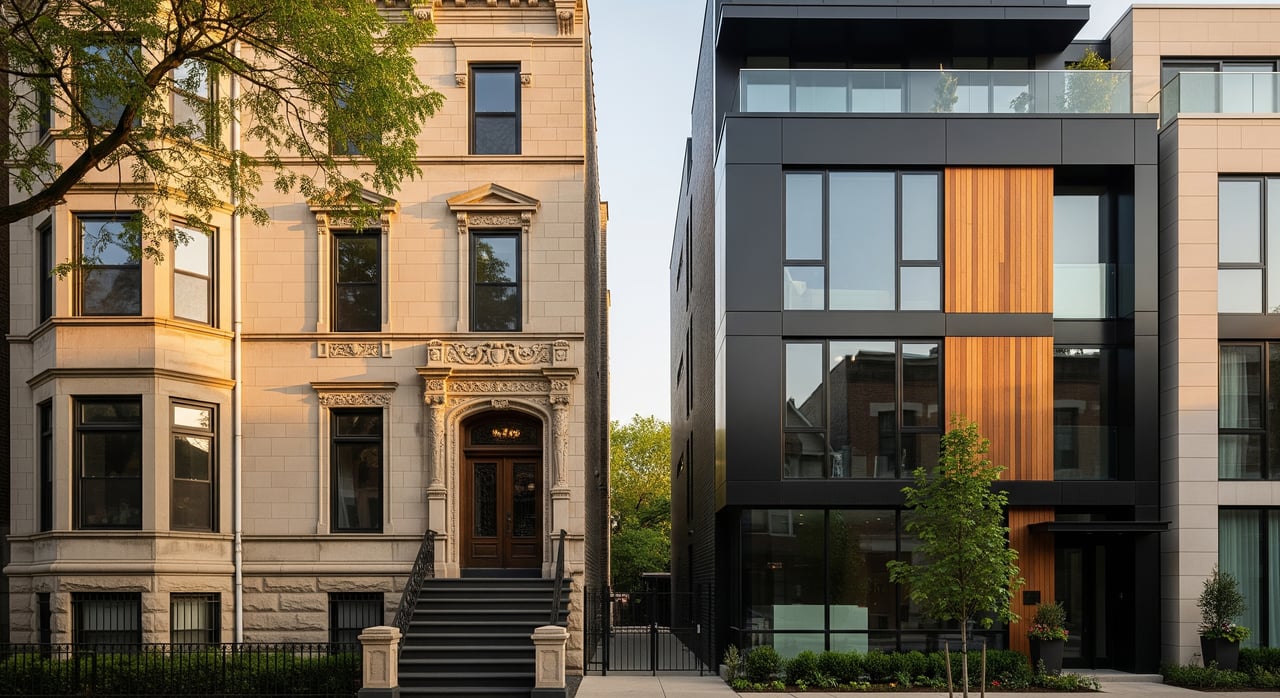
Torn between the clean lines of a brand-new build and the soul of a historic masterpiece? In Chicagoland luxury, both paths can be exceptional, yet the right choice depends on how you live, what you value, and how you plan for ownership costs. You want clarity on energy performance, maintenance, lifestyle fit, and resale. This guide breaks down the tradeoffs and the due diligence you need, so you can choose with confidence. Let’s dive in.
The big picture: three core tradeoffs
- Building performance and predictability: modern systems, energy efficiency, and warranties versus older assemblies and retrofit potential.
- Character and lifestyle: contemporary layouts and smart features versus architectural detail, mature neighborhoods, and a strong sense of place.
- Complexity and cost: straightforward builder contracts and inspections versus preservation rules, specialty inspections, and renovation approvals.
Energy efficiency and operating costs
New construction
New luxury homes are generally built to current energy codes, with modern insulation, high-performance windows, and efficient HVAC. Many include options for certifications or features like EV charging and solar readiness. You get more predictable short-term operating costs, and some systems may be covered by builder warranties.
Key questions to ask:
- What energy specs are included in the contract and selections?
- Are there third-party certifications promised, and what do they cover?
- Can the builder share expected utility performance based on similar homes?
Historic homes
Historic properties often pre-date modern insulation and air sealing, and many still have original windows. Strategic upgrades like insulation, HVAC replacements, and window retrofits or storm windows can meaningfully reduce bills, although preservation rules can affect scope and cost. Before energy work, screen for lead paint or asbestos in older homes to plan safe, compliant upgrades.
Key questions to ask:
- Can you review past utility bills and any prior energy audits?
- What are the likely retrofit costs for insulation, HVAC, and window improvements?
- Are there preservation considerations that limit exterior or window changes?
Maintenance, replacement cycles, and hidden costs
New construction
You can expect fewer immediate replacement needs and more predictable ownership for the first years. Builder warranties vary, so pin down terms, timelines, and the punch-list process. Watch for change-order costs during construction, which can nudge budgets upward.
Key questions to ask:
- What is covered under the warranty, and for how long?
- How are change orders priced and approved?
- What is the final walk-through and post-closing warranty claim process?
Historic homes
Older luxury homes can carry deferred maintenance, from roofs and masonry to older plumbing, electrical, and foundations. Renovations may uncover hidden issues like rot or water intrusion, so plan for contingencies. Specialized inspections for knob-and-tube wiring, cast-iron stacks, and structural elements are essential.
Key questions to ask:
- When were major systems last replaced, and do permits and receipts support the work?
- What is the condition of the roof, foundation, and exterior masonry?
- Do you need specialty inspections for electrical, sewer, and chimneys?
Architecture, livability, and lifestyle fit
New construction
Modern builds often deliver open-concept layouts, large primary suites, abundant storage, and integrated smart-home readiness. The appeal is turnkey comfort aligned with current preferences. Some buyers, however, find newer infill areas lack the historic street presence they love.
Questions to consider:
- Do you prefer an open plan and modern flow for daily living and entertaining?
- Which smart features are must-haves now versus future upgrades?
Historic homes
Historic luxury brings character and craftsmanship, from detailed millwork to grand staircases and masonry. Rooms may be more compartmentalized, and opening plans can be complex depending on structure. Many historic neighborhoods offer mature trees, established parks, and longstanding civic amenities that create a distinct sense of place.
Questions to consider:
- Which original details are non-negotiable for you?
- Can you add a home office, elevator, or new mechanical runs without compromising key elements?
Resale demand and market positioning
New construction often attracts buyers who want turnkey living, low maintenance, and tech readiness. In Chicagoland, in-fill luxury and newer districts can perform well when builder reputation and neighborhood momentum are strong. Historic homes attract buyers who prioritize authenticity and established streetscapes, and they can command premiums in sought-after historic areas.
Chicagoland nuance: centrally located neighborhoods such as Gold Coast, Old Town, and Lincoln Park often prize historic architecture, while contemporary luxury construction and conversions are popular in some former industrial corridors and parts of the Near South Side. The best indicator of future value is local demand for the specific property type, so compare similar-age comps, track days on market, and note price premiums.
Key questions to ask:
- What do recent, like-kind sales show for both new-build and historic luxury nearby?
- How long are similar properties taking to sell, and at what pricing relative to list?
Renovation flexibility, permitting, and preservation rules
New construction
You have more freedom to set the layout during construction, subject to lot constraints and any community design guidelines. Expect typical approvals, phased inspections, and construction loan requirements when building or buying new from a developer.
Historic homes
If a property sits in a Chicago landmark district, exterior changes typically require approval by the Commission on Chicago Landmarks. Interior landmark status is less common but possible. Review title for any preservation easements or covenants, and understand structural constraints that can limit basements, additions, or routing for new mechanicals.
Key questions to ask:
- Is the home in a landmark district or subject to a preservation easement?
- What approvals are needed for your intended changes, and how long do they take?
- Do you need a preservation architect or structural engineer to validate feasibility?
Financing, insurance, incentives, and taxes
Financing structures differ. New construction may involve a construction loan that converts to a mortgage, and lenders will want plans, budgets, and builder vetting. Historic homes often fit conventional mortgages, and some buyers use rehab financing to fold renovation costs into a single loan, depending on lender and program availability.
Insurance can vary. Older homes may carry higher premiums if systems are outdated or replacement costs are high due to specialized materials. Newer homes can see lower initial premiums, though it is important to confirm warranty endorsements and coverage specifics.
Incentives and taxes matter. Federal historic tax credits focus on income-producing properties. State or local incentives for preservation or energy upgrades can exist, so confirm the latest programs. Significant renovations or new construction can trigger reassessment, so review Cook County processes and how similar projects affected taxes.
Key questions to ask:
- Can renovation costs be included in your mortgage, and which programs fit this property?
- What will a major upgrade do to your property tax assessment, and can you appeal?
Chicagoland climate and construction realities
Chicago’s winters and freeze-thaw cycles test roofs, building envelopes, and masonry. Basement water intrusion and sewer backups are common concerns in certain areas, so plan for drainage and backup protection. Evaluate HVAC capacity for heating and cooling needs, and consider energy upgrades that improve comfort during temperature swings.
Practical checks:
- Inspect masonry for mortar deterioration and schedule repointing when needed.
- Scope sewers and assess site drainage to reduce basement risks.
- Confirm roof age and assembly, along with insulation and air sealing in the attic.
Your due diligence roadmap
For any luxury home
- Compare neighborhood comps, days on market, and premiums for similar age and style.
- Order a comprehensive home inspection, with specialty inspections as indicated.
- Review title for easements, covenants, and any preservation restrictions.
- Verify property tax history and recent assessments.
- Collect seller disclosures and permit histories for prior work.
Specific to new construction
- Vet the builder’s reputation, references, and prior warranty performance.
- Review the contract: specifications, allowances, change-order rules, timeline, and warranties.
- Confirm code and energy compliance, including insulation and HVAC specs.
- Understand the lien-waiver process, certificate of occupancy steps, and site walk-throughs.
Specific to historic homes
- Hire inspectors familiar with older systems, including electrical, sewer, and chimneys.
- Engage a structural engineer for foundations, framing, and complex alterations.
- Confirm landmark status, required approvals, and potential easements or covenants.
- Price the feasibility of desired upgrades, from open plans to elevators and new HVAC.
- Explore incentives for preservation or energy retrofits where available.
Which path fits your lifestyle?
Choose new construction if you want predictable systems, contemporary layouts, and lower immediate maintenance risk. The experience feels turnkey, with energy performance and smart features that align with modern living. The tradeoff is less historic character and, in some cases, a newer neighborhood fabric.
Choose historic if you value authenticity, craftsmanship, and established streetscapes. You accept more complex inspections, potential preservation rules, and a bigger renovation contingency in exchange for unique architecture and location benefits. The right team and plan can close much of the performance gap while honoring the home’s character.
Many buyers ultimately choose a thoughtfully modernized historic home or a new build with classic detailing. Either path can be the right one when it matches your priorities and is backed by careful due diligence.
Ready for a curated next step?
If you want a clear plan, local insight, and a polished process, let’s talk. With concierge-level matchmaking, multistate reach across Lake Michigan, and proven luxury distribution, you get guidance from first tour to post-close service. Start a confidential conversation with Heidi Picard and discover which Chicagoland luxury path fits you best.
FAQs
Will a historic Chicago luxury home cost more to maintain?
- Typically yes, older homes carry higher short- to medium-term maintenance risk, though targeted renovations can narrow the gap.
Can I open a historic floor plan into an open concept?
- Often possible, but it depends on structure and any landmark rules, so plan for a structural engineer review and preservation approvals.
Do new luxury homes appreciate faster than historic homes in Chicagoland?
- Appreciation depends on neighborhood and buyer demand; both can command premiums when property style aligns with local tastes.
Are historic tax credits available for owner-occupied homes?
- Federal credits primarily target income-producing properties; check current Illinois and Chicago programs for any homeowner incentives.
How big should my contingency be for a historic renovation?
- Larger than for new construction; many professionals recommend higher contingencies due to unknowns uncovered during work.
What inspections matter most in Chicago’s climate?
- In addition to a full home inspection, prioritize roof, masonry, sewer scope, HVAC performance, and drainage to address local conditions.