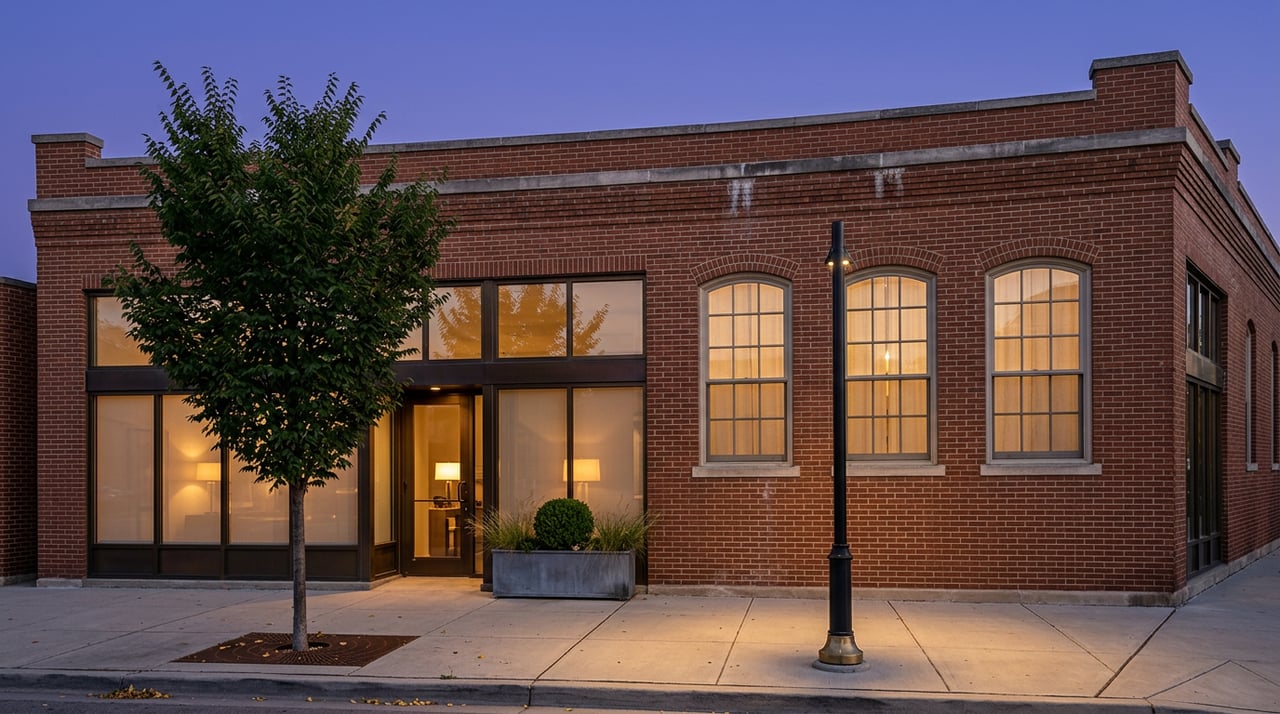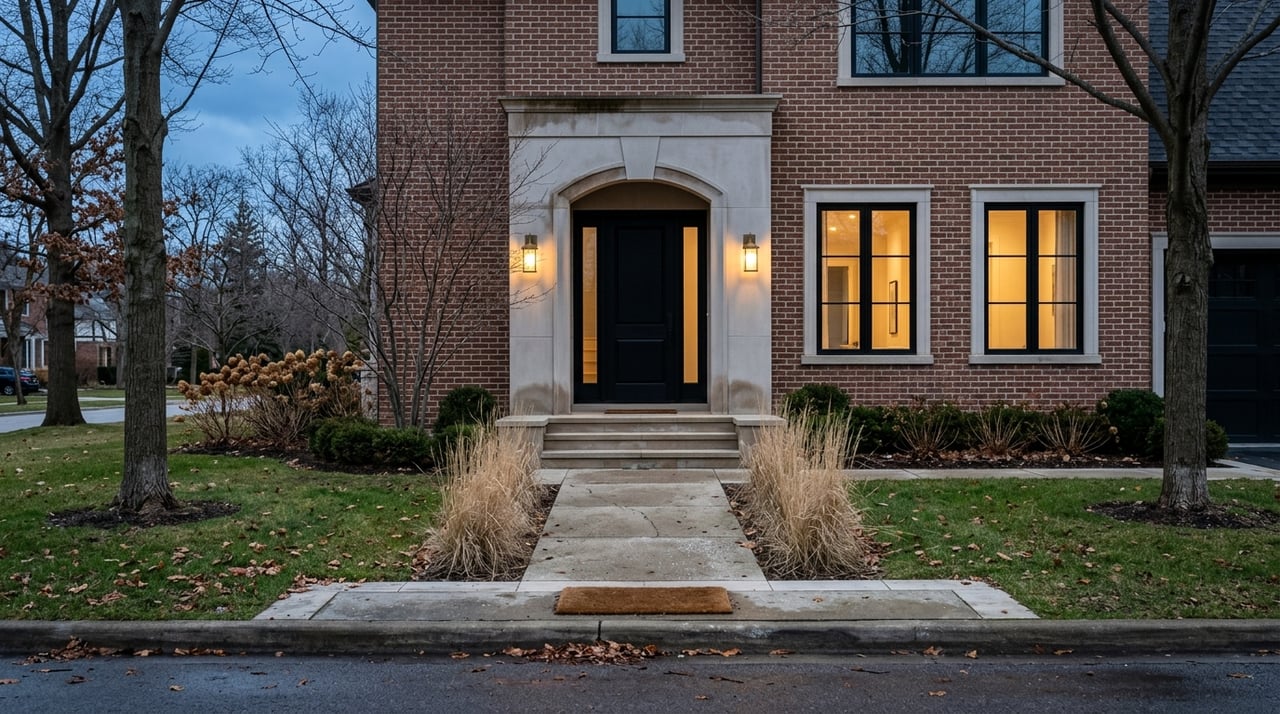
Wondering which Chicagoland neighborhood truly fits your luxury lifestyle? That question sounds simple, but in this region, the right answer often comes down to much more than a familiar neighborhood name. If you are weighing city energy, lake access, architectural character, or an easier commute, this guide will help you sort through the trade-offs with more clarity. Let’s dive in.
Start With How You Live
In Chicagoland, luxury home searches work best when you start with your daily routine, not just a map label. Regional planning data treats Chicagoland as a broad metro that includes Cook, DuPage, Kane, Kendall, Lake, McHenry, and Will counties, which means your options stretch far beyond the city itself.
That matters because a neighborhood in Chicago can feel different from one block to the next, and a suburb can offer a very different rhythm while still keeping you connected to downtown. A smart search starts with how you want to move through your week, what kind of home you want, and how often you expect to use nearby amenities.
A practical order for narrowing your search is:
- Commute mode
- Housing stock
- Everyday amenities
- Lakefront use
This approach is especially useful in Chicago, where official data notes that neighborhood boundaries are approximate and neighborhood names are not official in the same way as the city’s 77 community areas. In plain terms, the exact block often matters more than the headline neighborhood name.
Filter By Commute First
For many luxury buyers, commute style is the first real decision-maker. It shapes how far out you are willing to look and often determines whether you will feel at home in a location long term.
If you want city living with transit options layered into daily life, some neighborhoods stand out. Hyde Park, for example, combines access to the Metra Electric 51st/53rd Street station with multiple CTA bus routes, making it a strong option if you want rail and bus flexibility in one area.
If you picture suburban living with rail access into downtown, the North Shore and western suburbs offer clear comparison sets. Metra’s UP-N line serves communities such as Evanston, Wilmette, Highland Park, and Waukegan, while the BNSF corridor includes places like Western Springs, Hinsdale, Downers Grove, Naperville, and Aurora.
If your commute includes walking, running, or biking, the lakefront deserves its own category. The Chicago Park District notes that the Lakefront Trail runs from Ardmore Avenue to 71st Street and functions not only as a recreation route, but also as a path some people use to get to work.
Questions To Ask About Access
Before you fall for a house, ask yourself:
- Do you want rail access, car access, or both?
- Do you need a true daily commute route or just occasional downtown convenience?
- Would you actually use the Lakefront Trail as part of your routine?
- Is being near transit enough, or do you want a short walk to the station?
Use Housing Style As A Filter
Once commute is clear, your next filter should be the kind of home that feels right to you. Chicago and its surrounding communities offer a wide range of architectural styles, including Prairie School, Queen Anne, Italianate, Art Deco, Beaux-Arts, Romanesque Revival, and Tudor Revival.
That range means your search can become more focused very quickly. Some buyers want a polished contemporary residence with a more urban feel, while others want historic detail, larger lots, or a streetscape with established architectural character.
In many luxury searches, this step is where the shortlist becomes much more manageable. Instead of asking, “What is the best neighborhood?” it is often more helpful to ask, “What type of home and setting feels most like us?”
Compare Chicagoland Luxury Lifestyle Clusters
Rather than treating Chicagoland as one market, it helps to think in lifestyle clusters. Each area offers a different mix of access, architecture, and day-to-day feel.
Gold Coast For Classic Urban Luxury
Gold Coast is a strong fit if you want classic city luxury near the lake. Local visitor and neighborhood information highlights its proximity to the Lake Michigan shoreline, historic mansions, designer boutiques, notable restaurants, and the Astor Street District’s 19th-century revival-style homes.
The overall feel is polished, historic, and walkable. If your idea of luxury includes established architecture, cultural destinations, and easy access to high-end dining and shopping, Gold Coast belongs on your list.
Lincoln Park For Amenities And Green Space
Lincoln Park offers a different kind of luxury appeal. It blends urban living with major access to green space, the Lakefront Trail, North Avenue Beach, museums, shopping, restaurants, the zoo, and the conservatory.
For many buyers, that creates a lifestyle where the home is only part of the value. If you want quick access to the outdoors without leaving the city, Lincoln Park is one of the clearest examples of that balance.
West Loop For Dining And Contemporary Energy
West Loop tends to attract buyers who prioritize dining, nightlife, and a more modern urban rhythm. The area is known for Restaurant Row, Fulton Market, Greektown, arts venues, and repurposed warehouse character.
Its housing search often feels different from the traditional lakefront mansion districts because of its industrial history and contemporary energy. If direct lakefront access is less important than dining density and a fast-paced city feel, West Loop may be a better fit than the more classic North Side luxury areas.
Hyde Park For History And Culture
Hyde Park offers a distinct south lakefront option with a strong cultural and architectural identity. Its history ties to the 1893 World’s Fair, the University of Chicago, and landmarks such as the Robie House, along with a mix of Prairie, Tudor Revival, Italianate, Queen Anne, and Modern styles.
If you want a neighborhood with depth, architecture, and access to both transit and the lakefront, Hyde Park is worth serious consideration. It can appeal to buyers looking for a setting that feels layered and established without mirroring the Near North Side.
North Shore For Lakefront Suburban Living
If you want a lakefront suburb with commuter rail access and strong architectural character, the North Shore offers a compelling set of options. Evanston, Kenilworth, and Highland Park each bring distinct housing styles and a shoreline-oriented lifestyle.
Architecture research highlights a wide mix across these communities, including Queen Anne, Italianate, Victorian Gothic, Neoclassical, Tudor, Prairie, Colonial Revival, and Modern homes. If your priority is a larger residential setting with historic character and access back into Chicago, the North Shore often rises to the top.
Western Suburbs For Space And Rail Access
The western suburbs can be a smart fit if you want more space while keeping a rail connection to downtown. Communities along the BNSF corridor, including Western Springs, Hinsdale, Downers Grove, Naperville, and Aurora, are useful comparison points.
This cluster can make sense for buyers who are less focused on direct lakefront living and more focused on lot size, daily convenience, and commute practicality. If your version of luxury is space and ease, this group deserves attention.
Separate Lake Access From Lake Lifestyle
One of the biggest mistakes luxury buyers make in Chicagoland is treating all lake proximity as the same thing. It is not.
You may want lake views, direct trail access, a beach nearby, or simply the feeling of being close to the shoreline. Those are related benefits, but they create different daily experiences.
For example, Lincoln Park and Gold Coast can offer strong access to the lakefront and trail within an urban setting. North Shore communities may offer a more suburban version of the lake-oriented lifestyle, while West Loop may deliver luxury and convenience without making the water part of your everyday routine.
Ask Yourself What “Near The Lake” Means
Be specific about what you want:
- A visual amenity from the home
- Daily walks or bike rides on the Lakefront Trail
- Easy beach access
- A commute path along the lakefront
- Occasional proximity rather than regular use
That answer can change your shortlist very quickly.
Focus On The Exact Block
In Chicago, two homes with the same neighborhood label can offer very different experiences. Because neighborhood boundaries are approximate, the exact location of the property matters just as much as the broader area name.
A home’s position relative to transit, the lakefront, major streets, and daily amenities can shape how it lives day to day. This is especially true in luxury searches, where expectations around convenience, privacy, and setting are often very specific.
That is why block-by-block comparison matters. The best match is rarely about choosing the most famous neighborhood. It is about choosing the property location that fits your routine, priorities, and style of living.
A Simple Way To Narrow Your List
If you are feeling overwhelmed, keep your shortlist process simple. Start broad, then refine based on how you actually want to live.
Here is a practical framework:
- Choose your commute style.
- Decide what type of home and architecture you prefer.
- Rank your must-have daily amenities.
- Define how you want to use the lakefront.
- Compare exact blocks, not just neighborhood names.
This kind of decision-making tends to lead to better long-term satisfaction than starting with prestige alone. In a region as varied as Chicagoland, fit matters more than labels.
If you want a tailored luxury home search that reflects your lifestyle, commute, and architectural preferences, Heidi Picard offers concierge-level guidance across Chicagoland with a personalized, relationship-first approach.
FAQs
How do you choose the right Chicagoland neighborhood for a luxury home?
- Start by ranking commute mode, housing style, daily amenities, and lakefront use in that order, then compare exact blocks instead of relying only on neighborhood names.
Which Chicago neighborhoods are best for classic luxury and lake access?
- Gold Coast and Lincoln Park are two of the clearest fits for buyers seeking classic urban luxury with strong access to the lakefront.
Is West Loop a good fit for a Chicagoland luxury home search?
- West Loop can be a strong fit if you prioritize dining, nightlife, arts, and a contemporary urban feel over direct lakefront access.
Why does exact location matter in a Chicago luxury home search?
- City data notes that neighborhood boundaries are approximate, so the experience can change significantly from one block to the next based on transit, streetscape, and proximity to amenities.
Which Chicagoland suburbs are useful for luxury buyers who want rail access?
- North Shore communities such as Evanston, Wilmette, and Highland Park, along with BNSF corridor communities like Hinsdale, Downers Grove, and Naperville, are useful starting points for rail-oriented comparisons.
What should luxury buyers mean by lakefront lifestyle in Chicago?
- You should decide whether you want shoreline views, direct Lakefront Trail access, beach proximity, or a true daily recreation or commute connection, since those are not the same thing.